
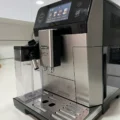
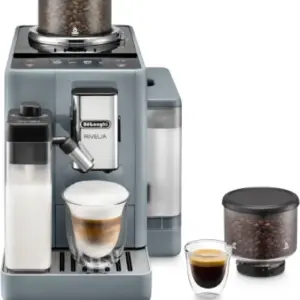
De’Longhi Eletta Ultra ECAM472.85.MB Bean to Cup Coffee Machine

Gallery
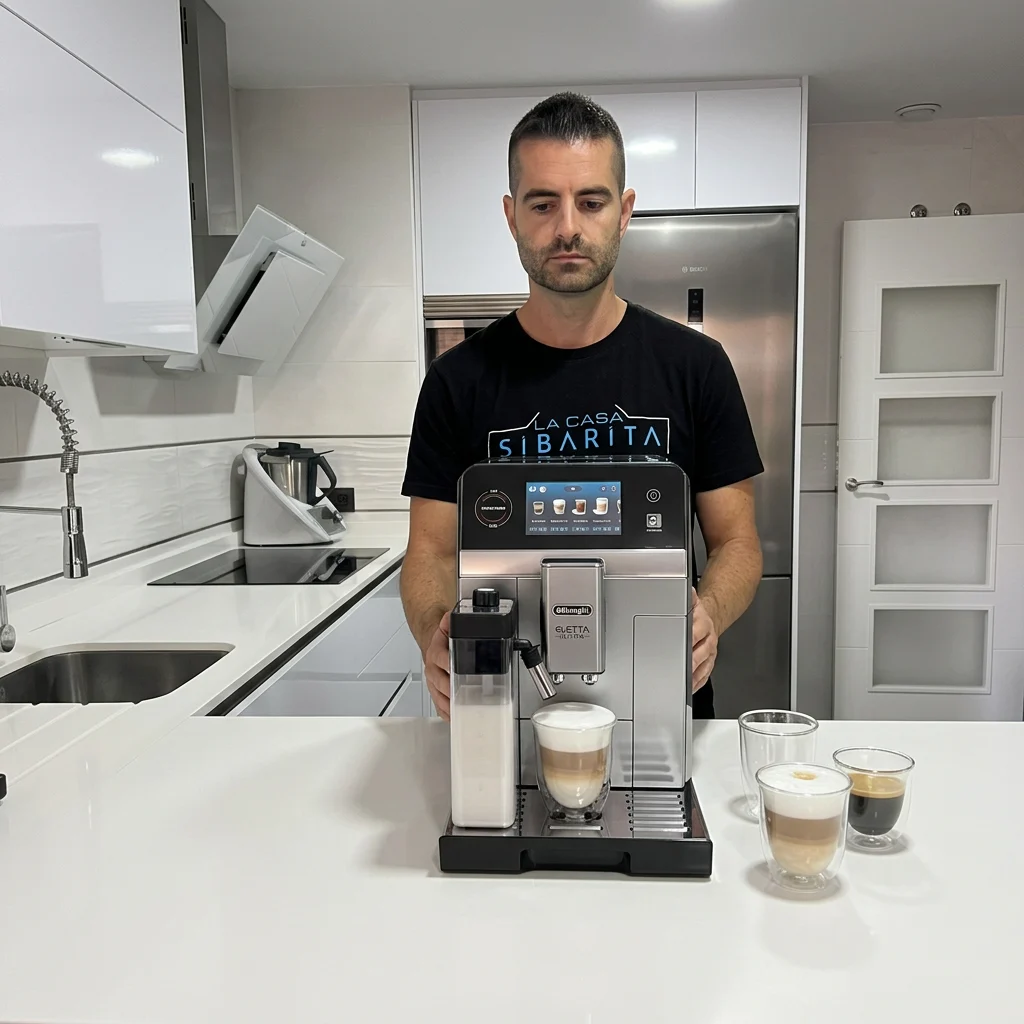
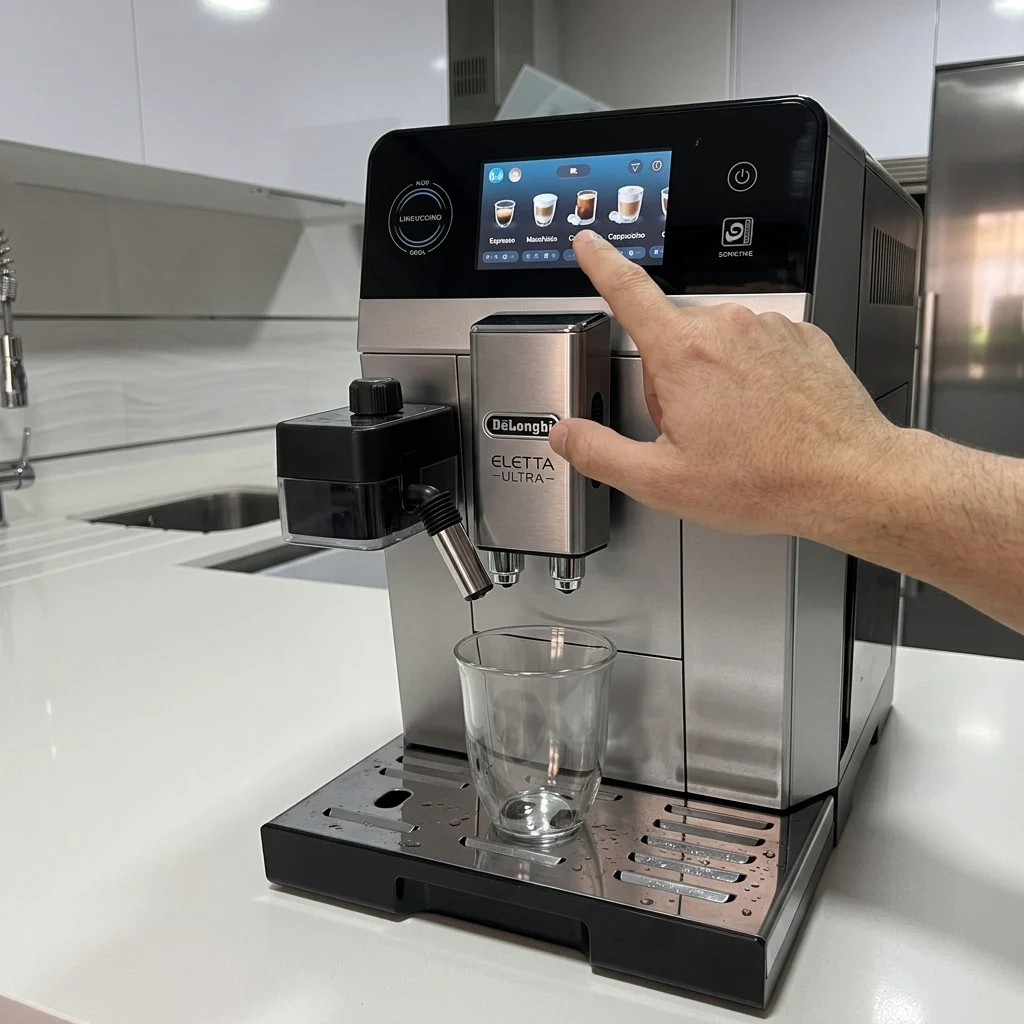
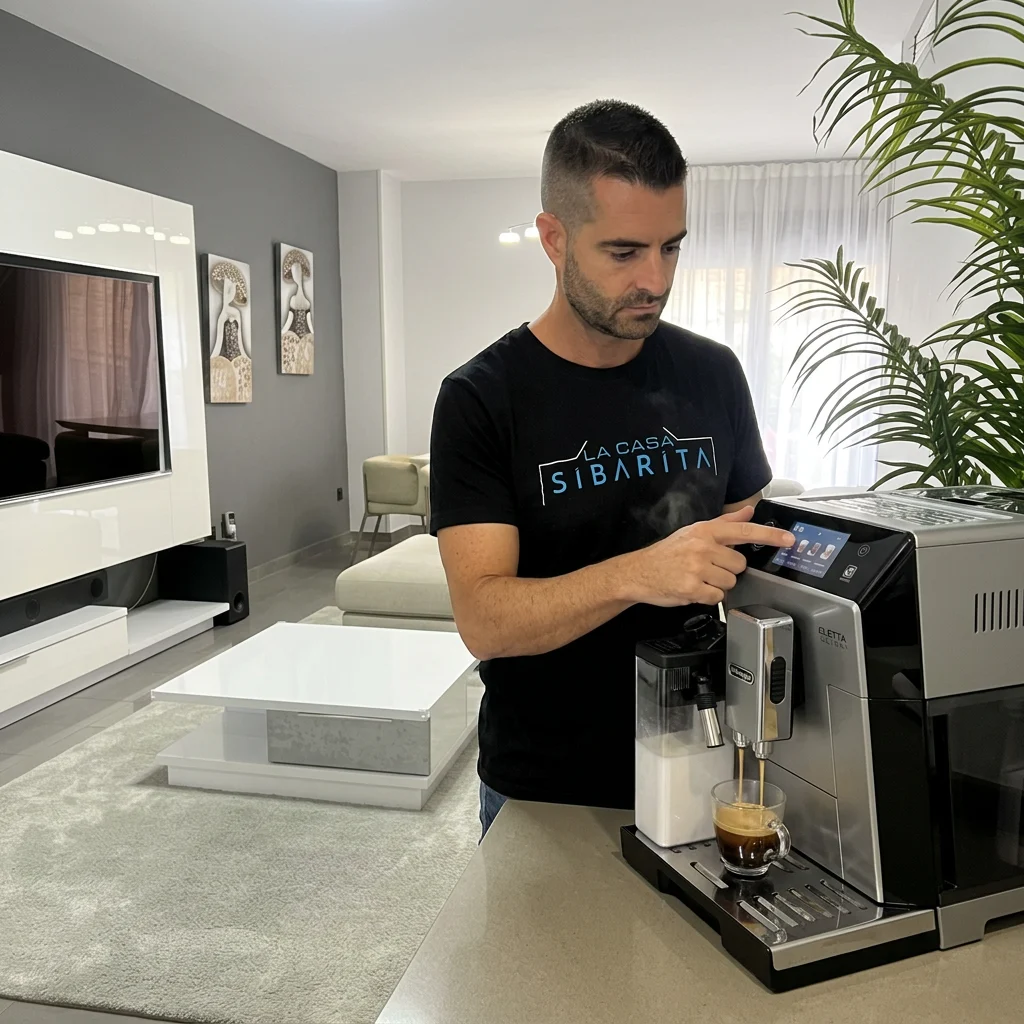
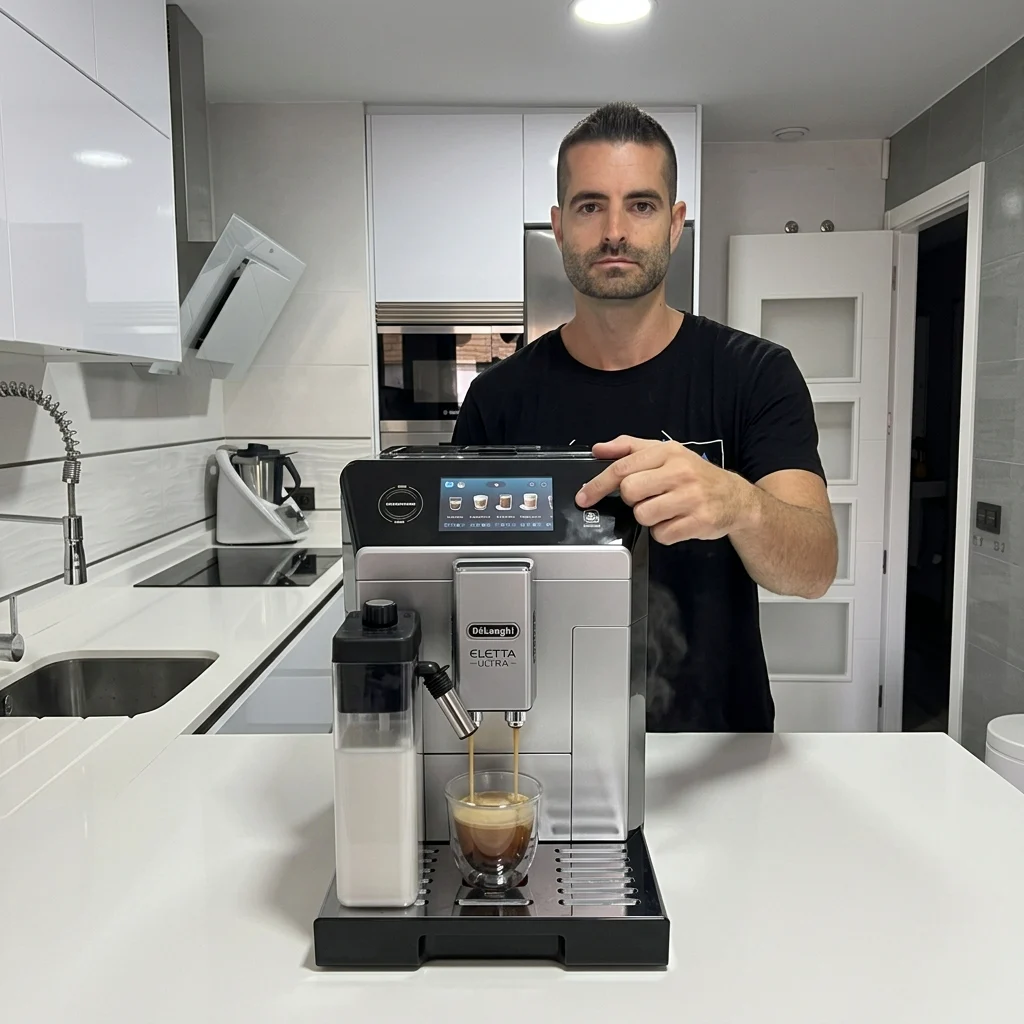
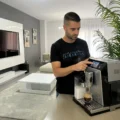
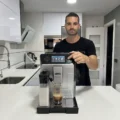
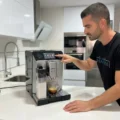
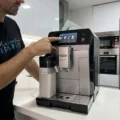
Deals
This page contains affiliate links: if you buy through them we may earn a commission, at no extra cost to you. Prices and availability may change. As an Amazon Associate, La Casa Sibarita earns from qualifying purchases.
Pros
-
Exactly 43 seconds per espresso across four consecutive cups
-
Full cappuccino in 2 minutes 5 seconds from switched off
-
More than 50 one-touch hot and cold recipes with no accessories
-
Dose ground in 7.2 seconds with automatic grind adjustment
Cons
-
A little dust at the finest grind, and the bean profile is only adjustable in the app
-
31 espressos per hopper and a grounds warning after 14 doses
Contents
Technical specifications
| Material | Metal |
|---|---|
| Milk frother | Yes |
| User profiles | Yes |
| Removable brew group | Yes |
| Coffee grinder | Yes |
| 2 coffees at once | Yes |
| Coffee types | Beans + ground |
| Water tank capacity | 1.8 L |
| Cup warmer | Yes |
| Type | Bean-to-cup |
| Pressure | 19 bar |
Description
Summary
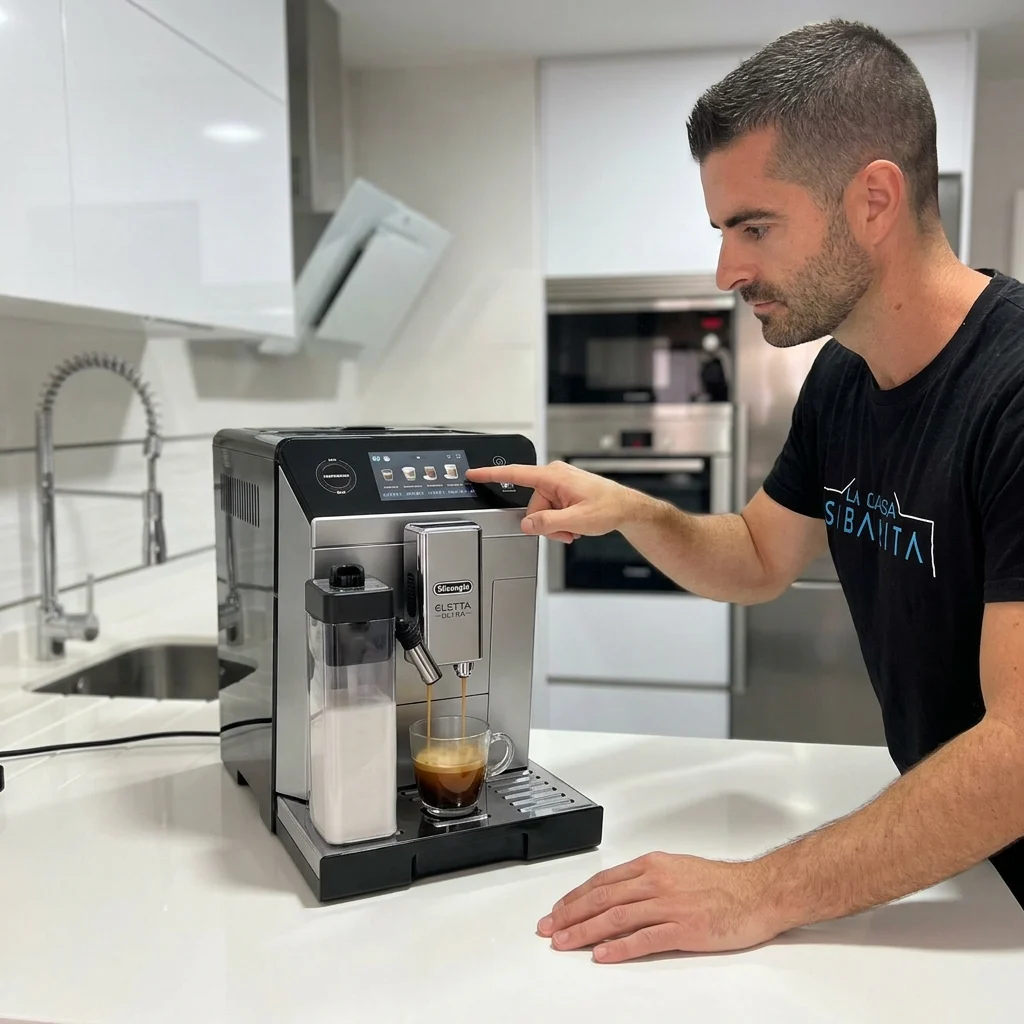
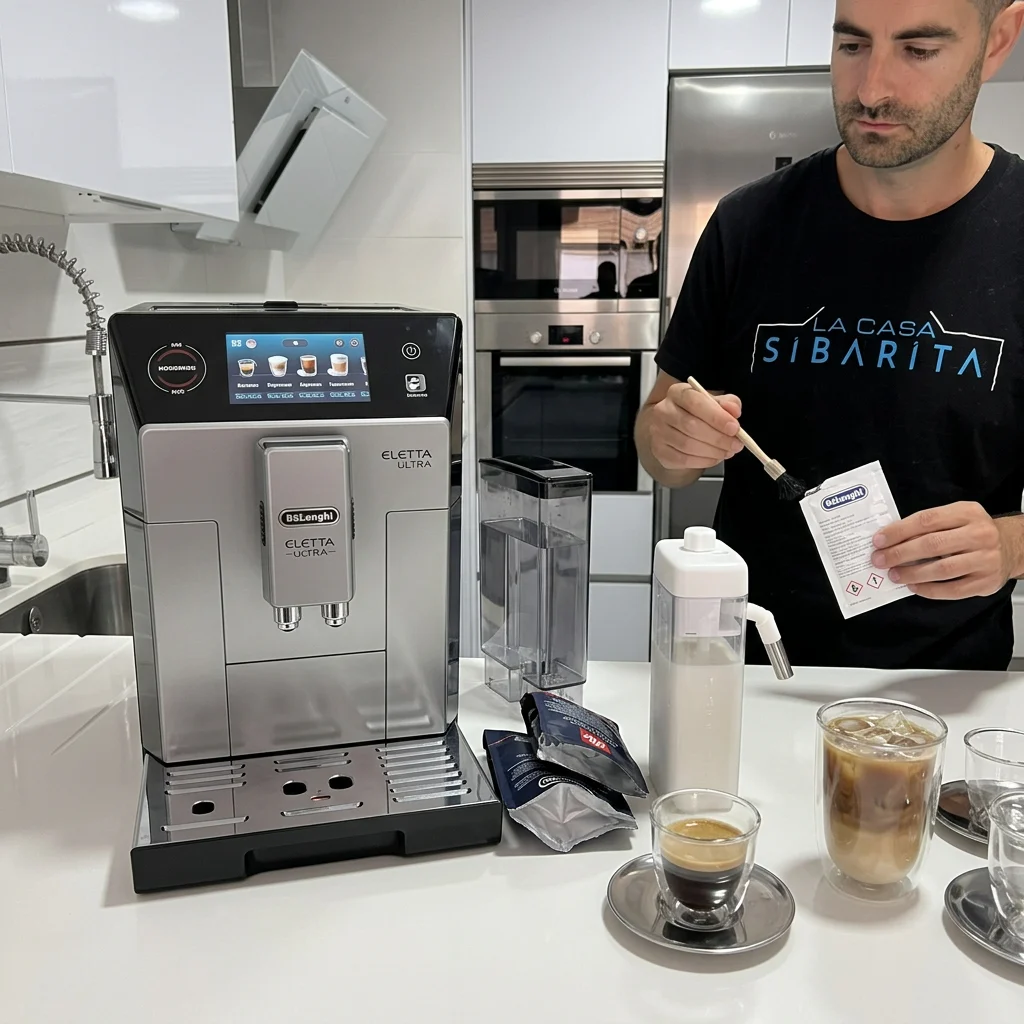
This is the bean to cup machine for homes where everyone wants something different. The De’Longhi Eletta Ultra ECAM472.85.MB handles the first espresso of the day, a filter-style mid-morning coffee and an iced drink in the afternoon with a single machine, and in our tests it did so with very consistent extraction.
Running five espressos back to back with the same settings, the last four came out in exactly 43 seconds and only the first took 52, the time the system needs to heat up and rinse from cold. In the cup we measured 69 °C, plenty hot enough for coffee at home, although below the range of a professional café machine.
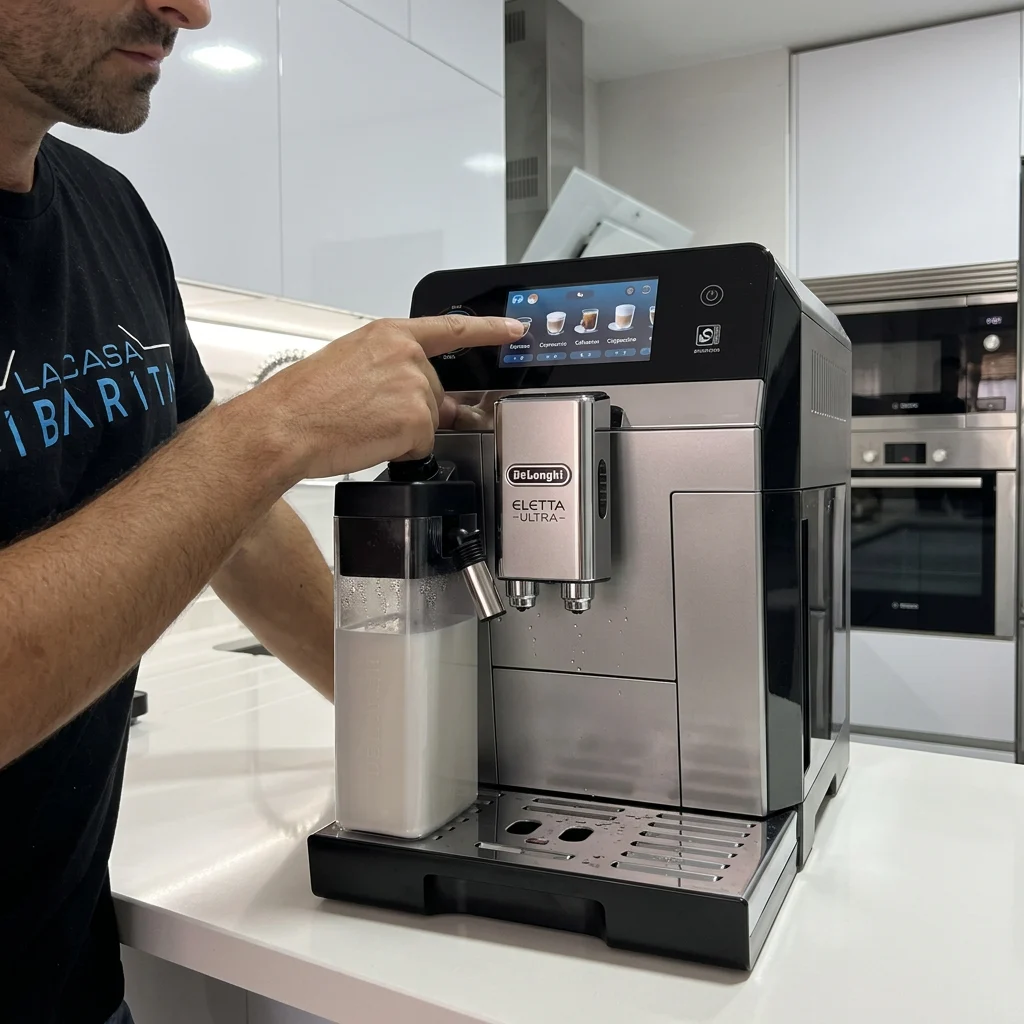
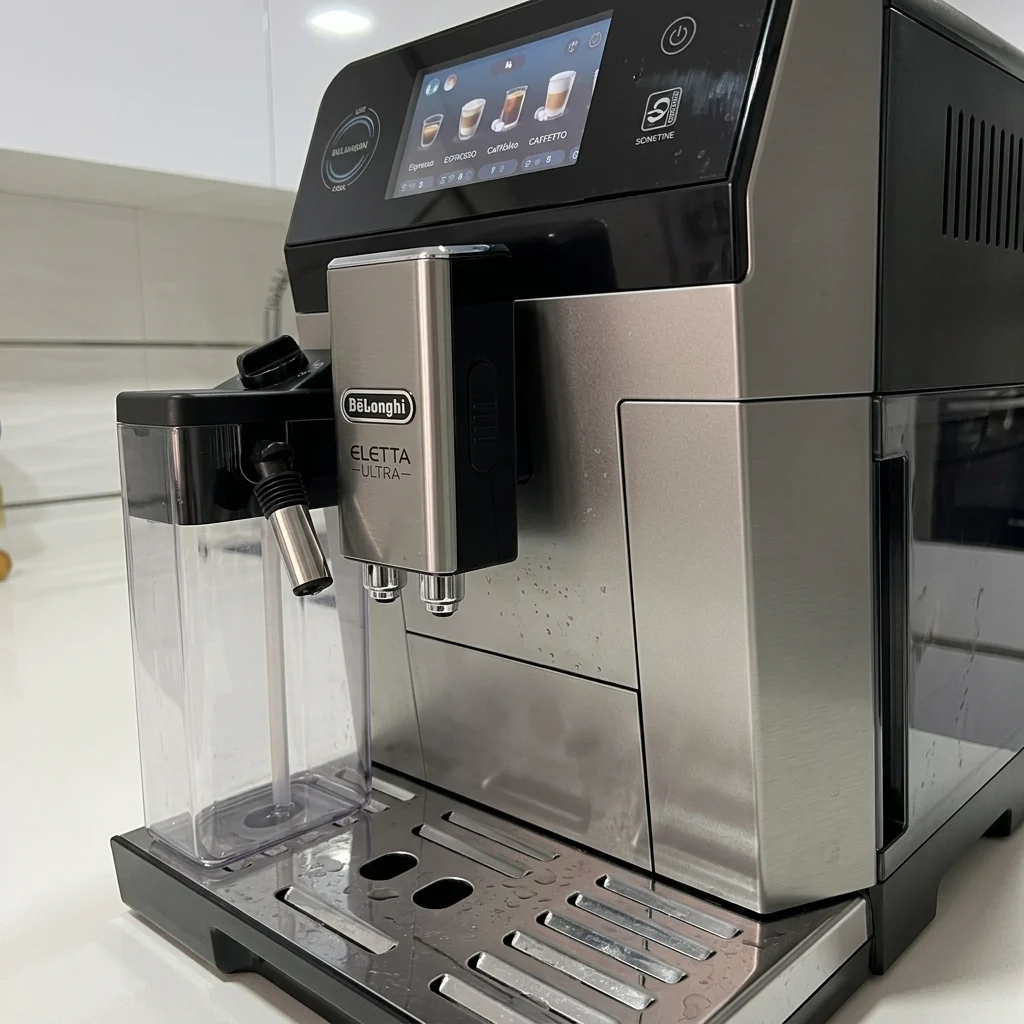
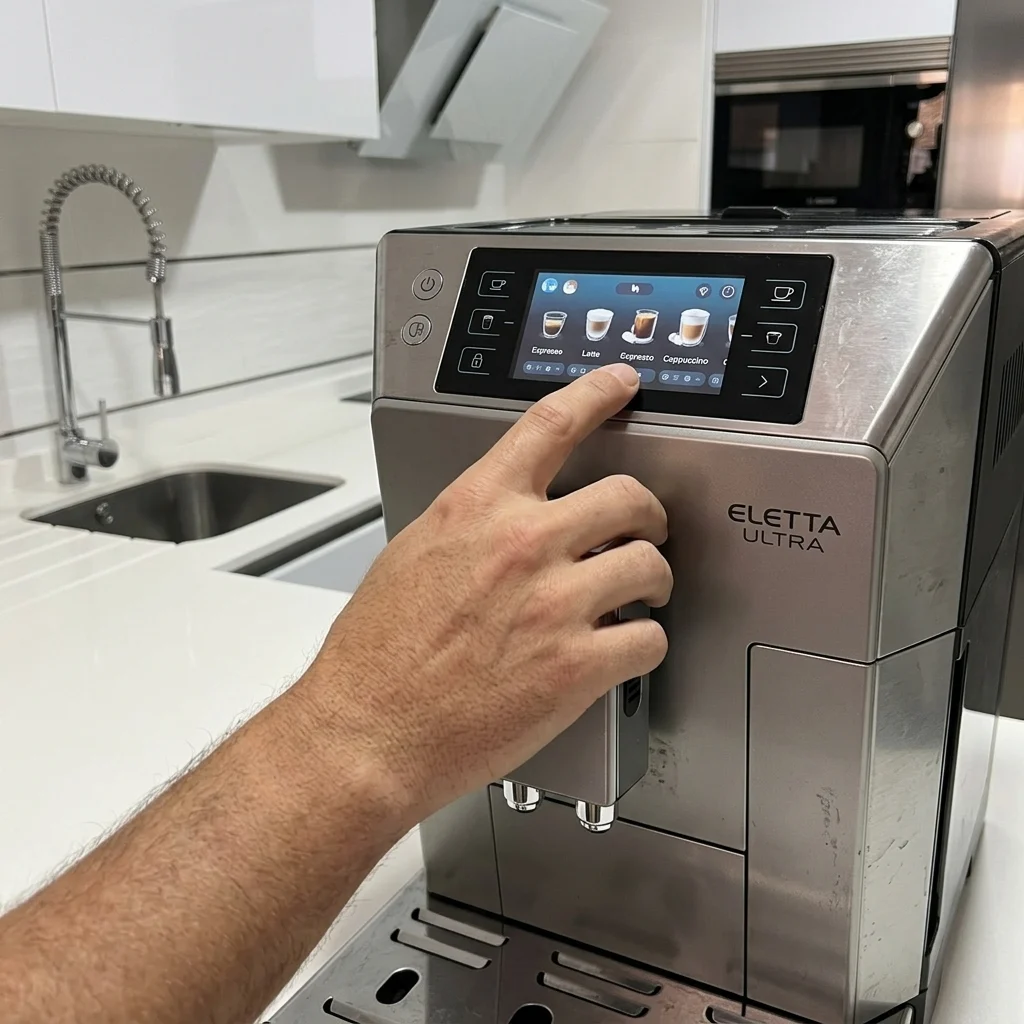
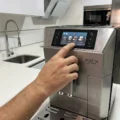
Its menu runs to more than 50 recipes, grouped into collections on a 4.3-inch touchscreen, and the machine looks after temperature, extraction and milk on its own. A full cappuccino, from fully switched off to a served cup, was ready in 2 minutes 5 seconds, and afterwards the milk circuit rinsed itself in 27 seconds.
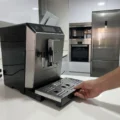
It works at 19 bar and adjusts the grind according to how the beans respond, so extraction holds steady without any manual calibration. It has a 1.8-litre tank that pulls out from the front and a removable brewing unit, and it also takes pre-ground coffee.
What you have to accept is the space it needs and how often it needs attention. At almost 11 kg it needs a permanent spot on the worktop, the grounds drawer warns you after 14 doses and the hopper gave us 31 espressos before running out of beans. If you have one coffee a day and always the same one, simpler machines will do that job just as well.
We tested the Eletta Ultra in Spain. On Amazon.co.uk it’s listed under a different product code (ASIN) from the Spanish one, but the reference is the same ECAM472.85.MB, so it’s the same machine.
Analysis and verdict
Coffee quality – Score: 9.0/10
Consistency is the first thing we measure and the first thing you notice. Of five espressos in a row with the same dose and a medium grind, the last four took 43 seconds each and only the first took 52, because it starts with the warm-up, the pre-rinse and filling the circuit. From the second cup onwards it doesn’t budge, and that steadiness is what separates a serious bean to cup machine from one that swings between watery and bitter without you touching anything.
The crema held up across the run. The first espresso came out with a dense, dark hazelnut layer that lasted well; the fifth lost a little volume and shine but kept its structure, with none of the watery look other machines show at the end of a run. The 69 °C we measured in the cup is plenty hot for drinking straight away and stayed stable throughout, although it doesn’t match a machine with a boiler.
The ceiling is the grinder. Because it’s built in, however clever the automatic adjustment to the beans, it can’t replace a dedicated grinder paired with a traditional espresso machine, where you control the exact dose and extraction time. What you gain here is a cup that comes out the same every day without having to learn anything. With cold drinks, keep your expectations in check, because the quick, low-temperature extraction gives a rich but more acidic and less rounded drink than a long-steeped cold brew.
Grinder – Score: 8.9/10
The built-in grinder adjusts its fineness to how the loaded beans respond. We tried it at the finest setting, at a medium one and at the coarsest, spreading each grind on white paper. At the finest it’s fairly uniform and compact, with a little dust; at medium the particles are very even, and at the coarsest you get bigger particles but no whole pieces of bean.
A dose took 7.2 seconds to grind, and three noise readings at one metre gave 61.5, 62.2 and 61.8 dB, a restrained sound that doesn’t last long. Very little is left behind afterwards, just a light film at the grinder outlet, so stale coffee hardly builds up and ends up in your next dose.
For you, that means the medium setting is where to leave it for your everyday espresso, because that’s where the grind is most even, and the automatic adjustment saves you recalibrating when you change beans. The downsides are that fine-tuning the bean profile has to be done in the smartphone app, a dependency that’s more annoying first thing in the morning than it sounds on paper, and the bit of dust at the finest setting if you like a very short espresso.
Capacity – Score: 8.5/10
We did the maths ourselves. With the tank and hopper full we got 31 espressos of 40 ml before the beans ran out, at around 11 grams of coffee per cup, and the 1.8-litre tank never became the limit in that run. For a couple having two or three coffees a day, that’s more than a week without thinking about refilling anything.
The first warning to appear is the grounds drawer, which asks to be emptied after 14 doses. With three people and a mix of drinks that’s a few days, but on a weekend with guests you’ll open it twice before the hopper is empty, and that’s the job that sets the pace on this machine, not the water.
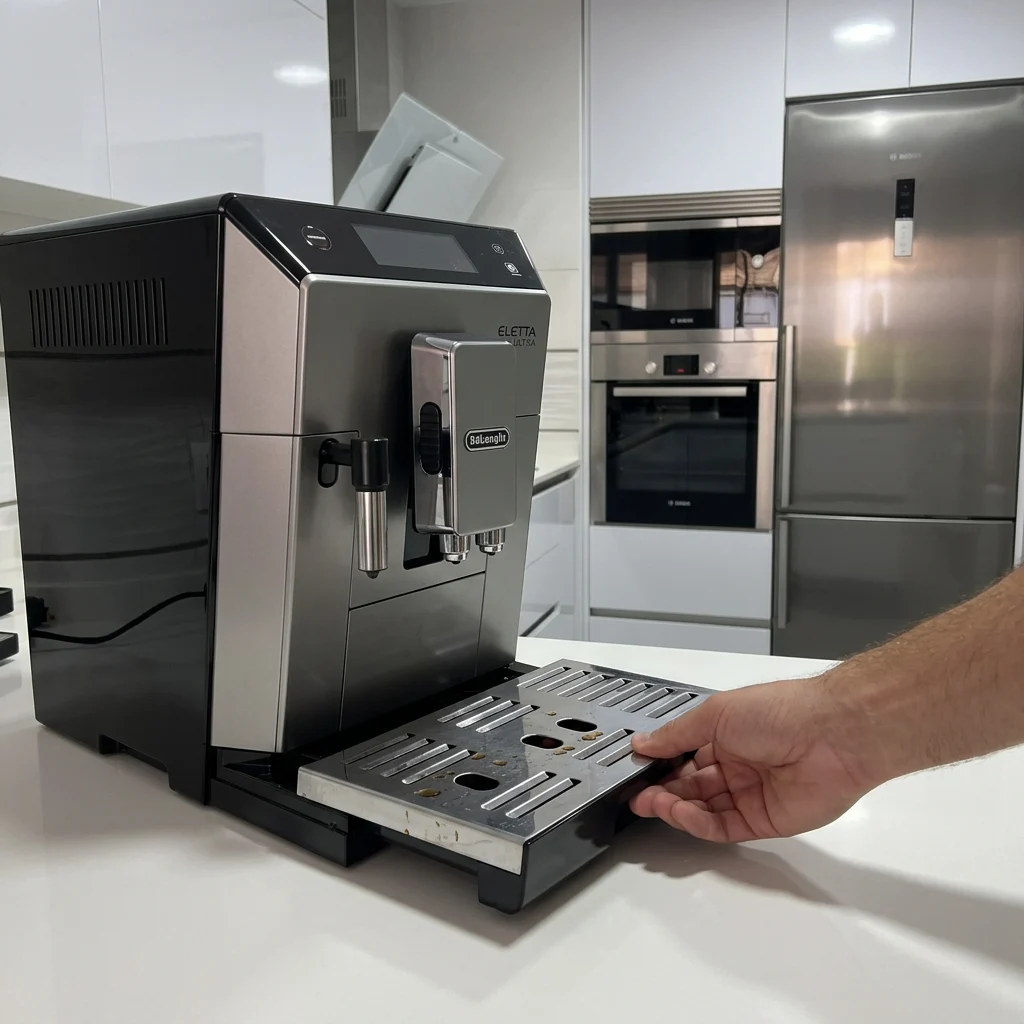
Access works in its favour. The tank comes out from the front, so you refill it without moving a machine weighing almost 11 kg, and the spout is designed for two cups at once and leaves room for tall latte glasses without lifting the grille, which is welcome when you’re making iced drinks. The cup-warming tray rounds things off and stops your espresso cooling the moment it lands.
Recipes, milk and cold drinks
This is where the machine really stands out. The 50-plus recipes cover espresso, filter-style coffee and a whole range of cold drinks with no accessories or manual steps, and the screen groups them into collections rather than throwing an endless list at you. It covers every season without buying anything else.
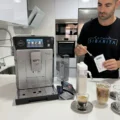
The milk system won us over. A full cappuccino from completely switched off was served in 2 minutes 5 seconds, warm-up and frothing included, with creamy, well-heated foam and a texture that reminds you of a coffee shop. Once it finished, the circuit rinse started automatically and took 27 seconds.
To check this, we started with the machine fully off, ordered the cappuccino and timed it until it stopped pouring, went through the recipes counting button presses and focused on the cold drinks, which take more steps on other bean to cup machines and here are ordered just like an espresso. The collections organised by time of day mean a machine with fifty recipes actually gets used for far more than two. We still need to complete the timings for the other recipes from standby and see how the rinse holds up after several days in a row with milk.
The drawback is the milk carafe, which has more parts than simple one-piece systems, so despite the automatic rinse it needs a hand clean every few days.
Cleaning and maintenance
The brewing unit comes out and rinses under the tap, with no tablets or special products, and that’s the detail that does most to extend the life of a bean to cup machine, because a fixed unit collects residue that ends up affecting the taste and, eventually, a trip to the repair centre. The milk circuit rinses itself in 27 seconds after every drink, although the carafe, having more parts than a one-piece system, is worth taking apart and cleaning by hand every few days. Regular descaling is still part of the deal, as with any machine of this kind.
Pros
- Extraction of exactly 43 seconds across four consecutive espressos, with only the first slower because of the warm-up, so the fifth cup comes out the same as the second and there’s no recalibrating mid-morning.
- A full cappuccino in 2 minutes 5 seconds from switched off, with creamy, well-heated foam that’s reminiscent of a coffee shop, and the milk circuit rinses itself in 27 seconds afterwards.
- More than 50 one-touch hot and cold recipes, including cold drinks with no accessories, so a single machine covers your winter espresso and your summer iced coffee.
- A dose ground in 7.2 seconds with automatic grind adjustment for the beans, which kept extraction spot on cup after cup without touching the grinder when we changed coffee, with very even particles at the medium setting.
Cons
- A little dust at the finest setting and a bean profile that can only be fine-tuned in the smartphone app, not on the machine itself. If you like a very short espresso, that end of the grinder needs care.
- 31 espressos per hopper and a grounds warning after 14 doses, so on a weekend with guests the drawer is the first thing that makes you stop, even before the water tank.
Our test
Test 1: Coffee quality – five espressos in a row with the same beans
The test for this category is five coffees back to back with the same settings, timing each extraction from pressing the button until it stops dripping, comparing the crema of the first with the fifth and measuring the temperature in the cup. On the Eletta Ultra we used a medium grind, the same dose for all five and the water hardness set for a hard water area, which is where you notice most if a machine loses stability.
The first took 52 seconds, with the warm-up, pre-rinse and circuit filling in between, and the next four each came out in 43 seconds. In the cup we measured 69 °C. The crema of the first espresso was dense, dark hazelnut and long-lasting; the fifth lost a little volume and shine but kept the same structure, with no watery effect. What we can’t vouch for is how it behaves over many more cups in a row, because the test stopped at five.
Test 2: Grinder – three grind settings, one timed dose and noise at one metre
The method for this category grinds at the finest setting, a medium one and the coarsest, and checks the result on white paper for unground pieces and loose dust; it then times the grinding of one dose, takes a noise reading at one metre and notes whether residue is left stuck in the chute. On the Eletta Ultra the finest setting gave a fairly uniform, compact grind with a little dust, the medium level very even particles and the coarsest end bigger particles with no whole pieces. The dose took 7.2 seconds, the noise readings at one metre were 61.5, 62.2 and 61.8 dB and very little was left after grinding, just a light film at the grinder outlet.
For you, that means the grinder isn’t what limits the cup, because it grinds a dose in just over seven seconds, does it evenly at the medium setting and leaves hardly any stale coffee at the outlet for the next drink. The bit of dust at the finest setting is the only thing to bear in mind if you like a very short espresso. What we can’t vouch for is how consistent the grind time is from dose to dose, because we timed just one.
Test 3: Capacity – a full tank until the warning, counting 40 ml espressos
The method fills the tank and hopper to the maximum and counts how many drinks they last, always using a 40 ml espresso as the reference cup so the figure can be compared with any other machine in the ranking. We also checked whether the tank comes out and refills without moving the machine, and which of the three warnings comes first.
We got 31 espressos before the beans ran out, using around 11 grams of coffee per cup, and the 1.8-litre tank wasn’t the limit in that run. What does interrupt you is the grounds drawer, which warned at 14 doses, so it comes round twice before the hopper is empty. The tank slides out from the front and refills without shifting the body, which on a machine of almost 11 kg saves you repositioning it every other day. What we can’t vouch for is how long it lasts if you mostly drink milky coffees, because each one uses considerably more water than an espresso.
If you’d like to know more about what to look for, have a look at our guide to the best bean to cup coffee machines, where you’ll find the best models we’ve tested and help choosing the right one for you.
Contents
Other models we analysed

Real tests · No sponsorships
Marco Blasco
I'm Marco Blasco and I've been testing and comparing home appliances for more than five years. My ratings come from real tests, first-hand experience and objective criteria, explained transparently. Our tests are carried out in Spain. Through detailed guides and comparisons I've helped thousands of people choose with more confidence, and I can do that because I'm completely independent of the brands.