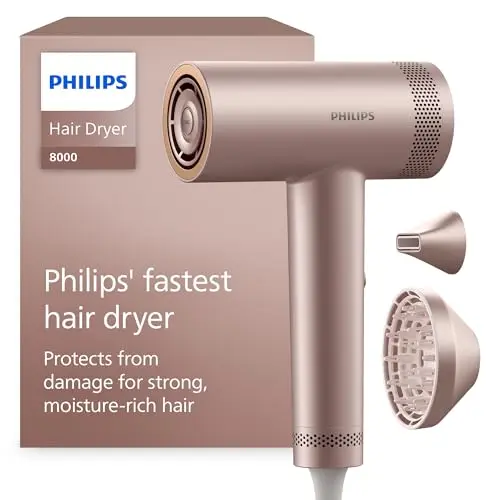
Philips 8000 Series BHD837 Hair Dryer
Gallery
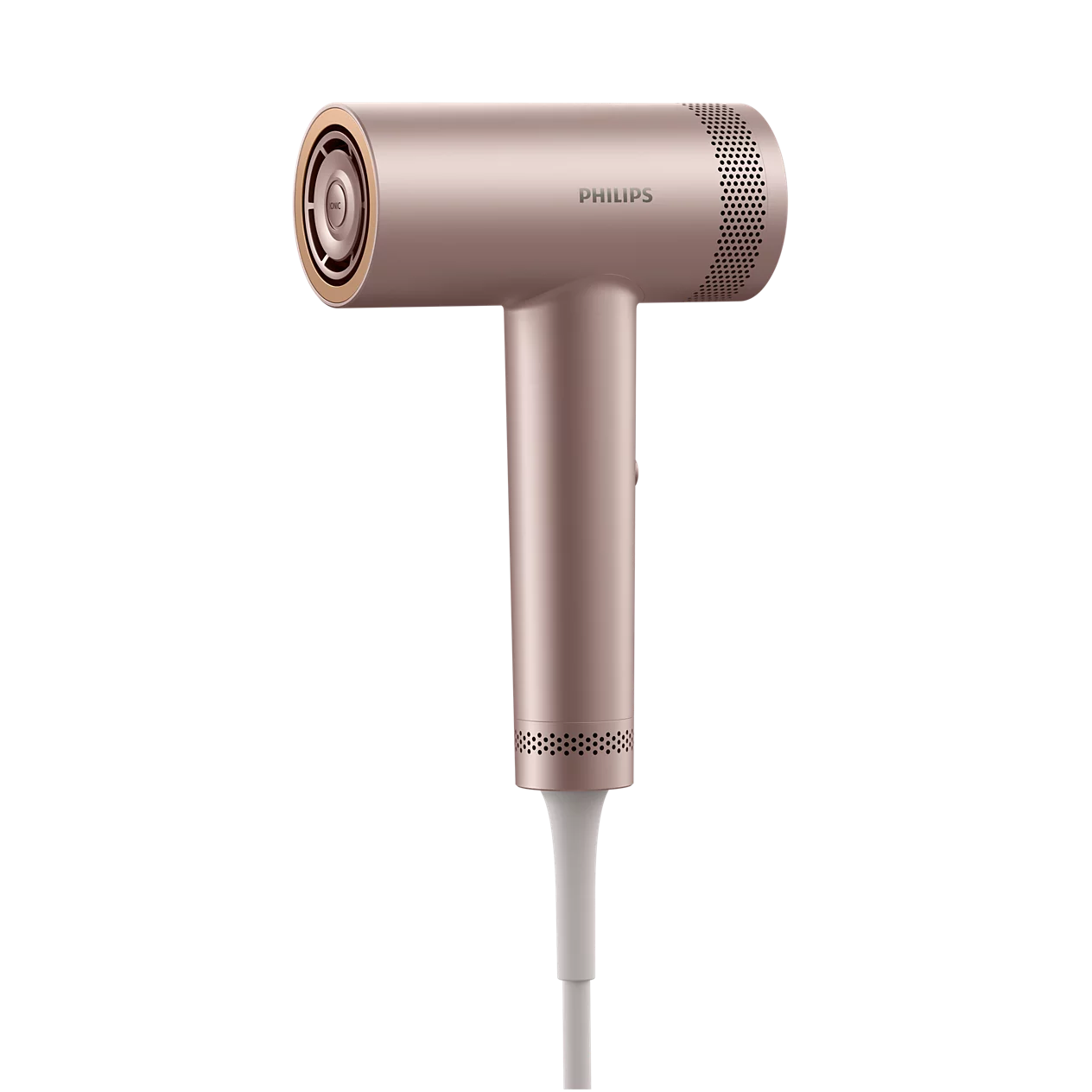
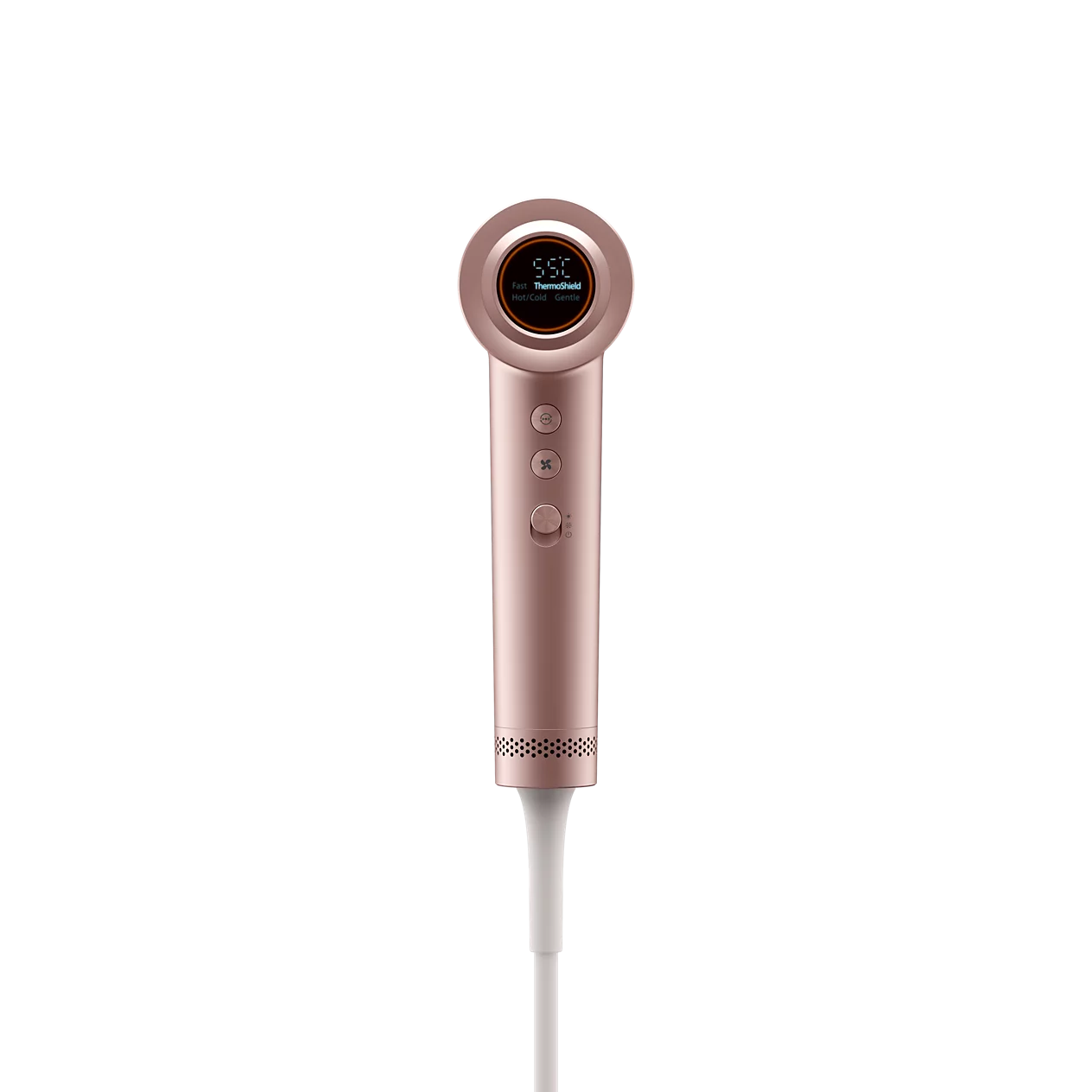
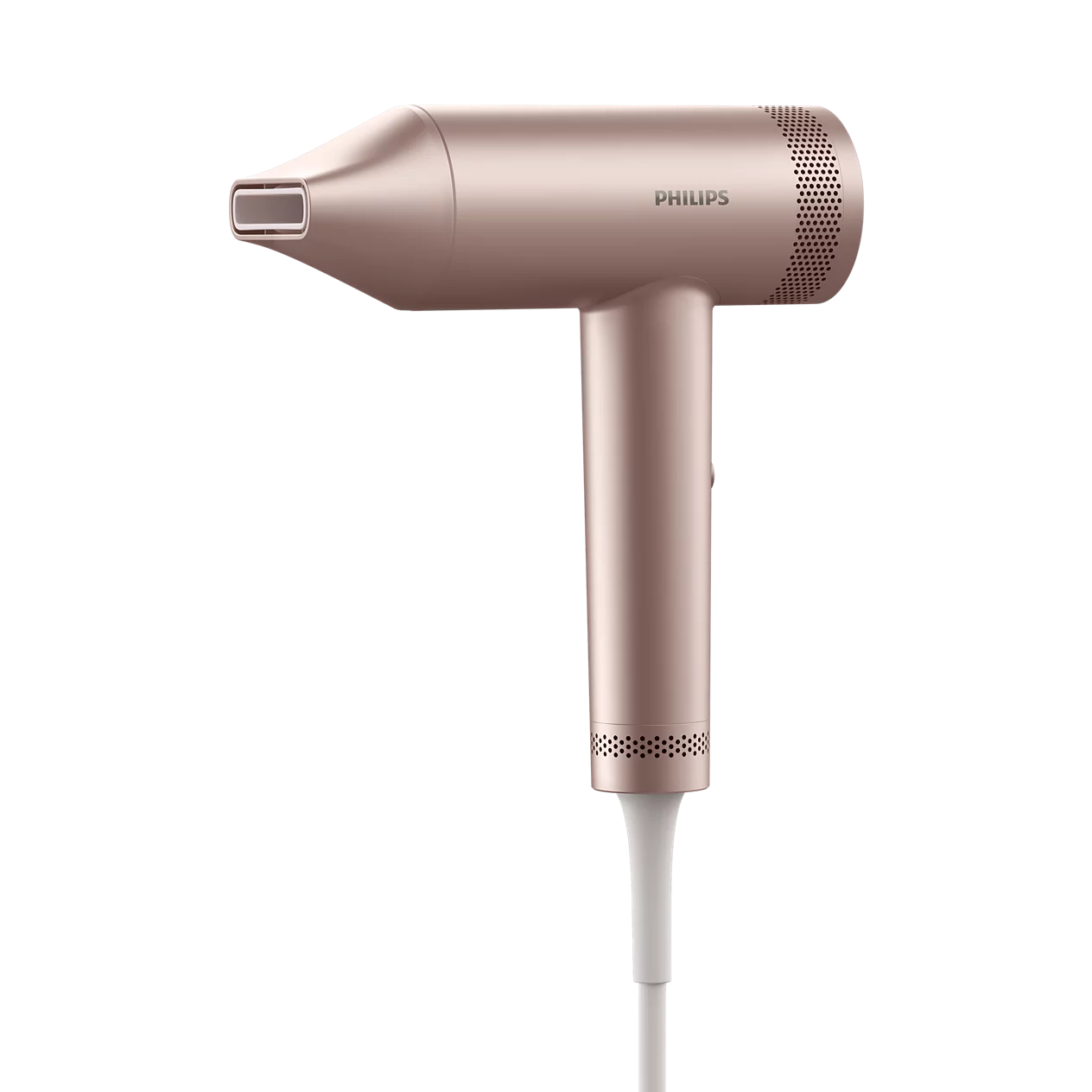
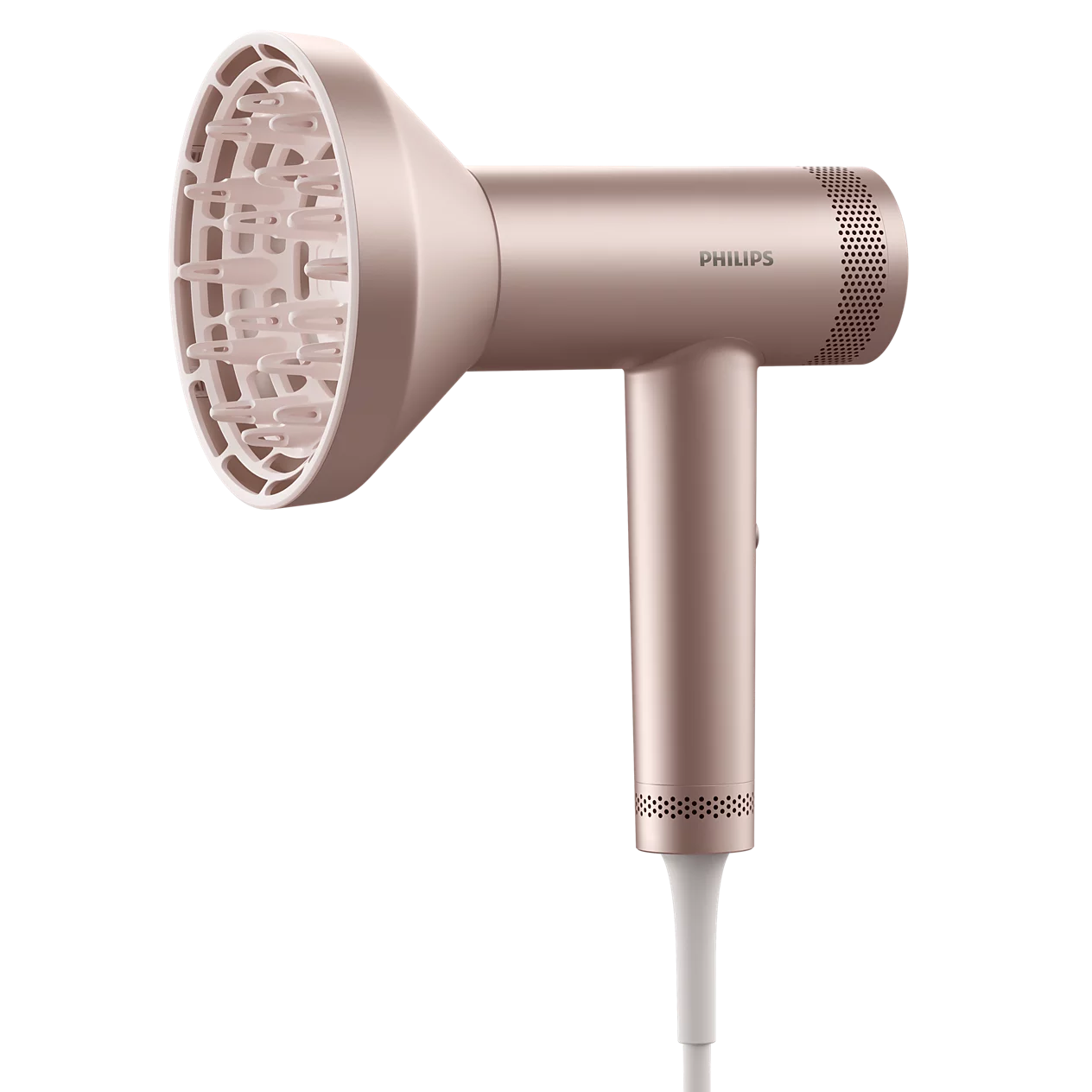
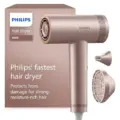

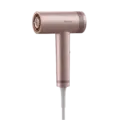
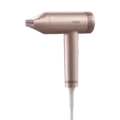
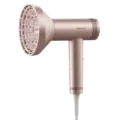



Deals
This page contains affiliate links: if you buy through them we may earn a commission, at no extra cost to you. Prices and availability may change. As an Amazon Associate, La Casa Sibarita earns from qualifying purchases.
Pros
-
2 min 51 s to dry long, soaking-wet hair, the fastest time we've recorded.
-
395 g on the scales, the lightest dryer we've tested.
-
76-78 dB at one metre, the quietest we've measured.
-
Seven heat settings from 43-44 °C to 79-81 °C, plus a 50-51 °C gentle mode.
Cons
-
No distance sensor, so the high setting reaches 80 °C even up close.
-
2 m cable, shorter than its rivals'.
Contents
Technical specifications
| Power | 1,400 W |
|---|---|
| Measurements | 13 x 16.9 x 30.1 cm (packaging) |
| Number of temperature settings | 7 |
| Number of speed settings | 3 |
| Weight | 395 g |
Description
Summary
By the third day of timing blow-dries with the Philips 8000 Series BHD837, we’d stopped eyeing the stopwatch with suspicion. Long, soaking-wet hair was dry in 2 minutes 51 seconds, the best time of all the dryers we’ve put through the same method, from a dryer that weighs 395 g on the scales, also the lightest. Philips promises three minutes or less and, for once, the promise holds.
It suits you if you want the dryer that dries fastest and tires you least, without paying the premium of the high-end brands. Philips quotes 1,400 W, a brushless motor spinning at 110,000 rpm and an average air speed of 228 km/h, with three speeds and seven heat settings from 45 to 95 °C, plus cool air.
A sensor measures the air temperature two hundred times a second and keeps it steady in whichever mode you choose. There are four preset modes, including a gentle mode that in our measurements kept the air at 50-51 °C, and the lowest setting stayed at 43-44 °C, so you can dry practically right against your head.
It’s also the quietest of the dryers we’ve measured, at 76-78 dB at one metre on maximum speed, and the magnetic attachments click into place in one movement. The filter cleans itself with an eight-second mode that blows air in reverse.
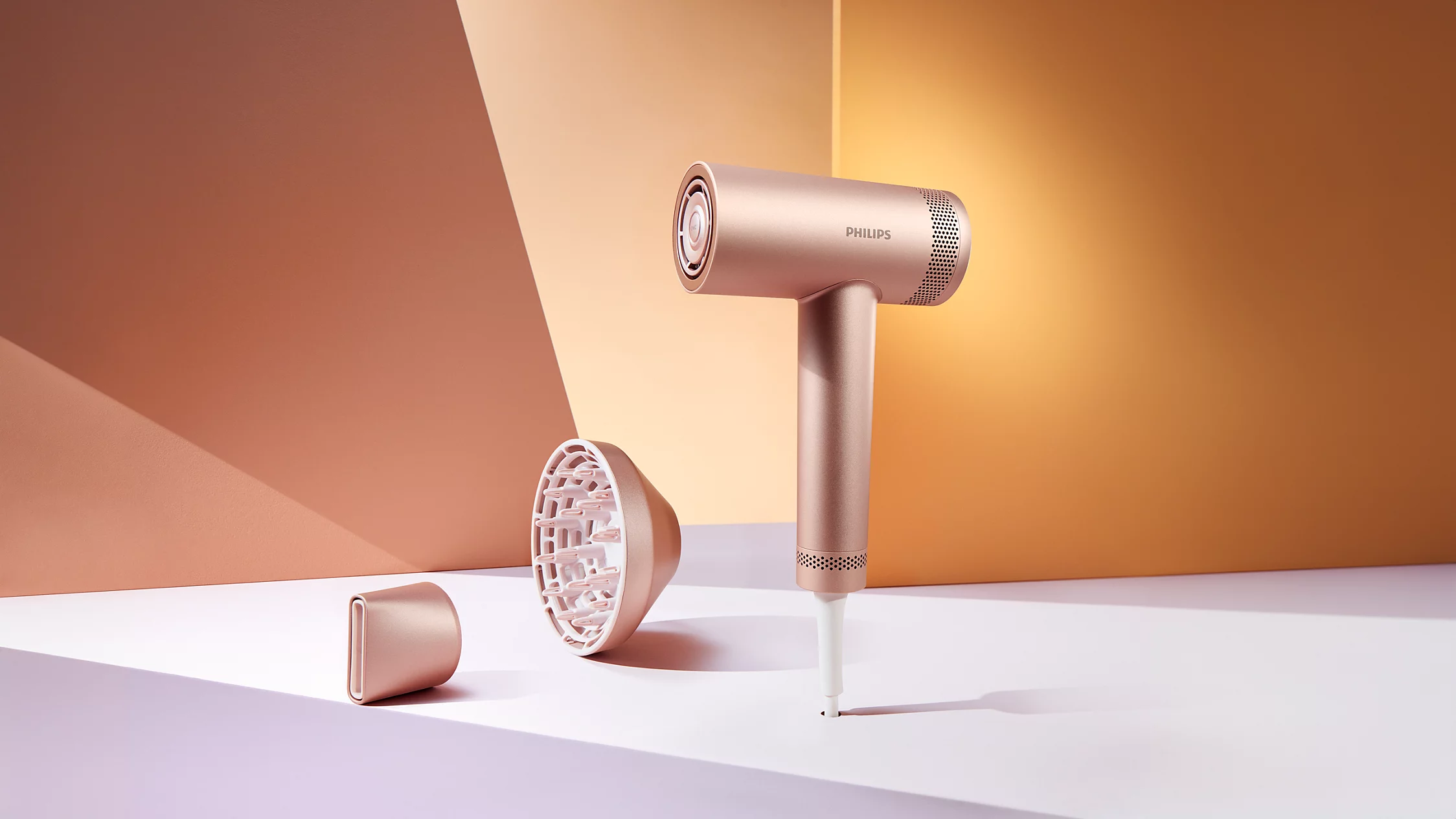
We tested the BHD837/10 in Spain, with the 8 mm nozzle and the diffuser in the box. On Amazon.co.uk it’s sold as the BHD837/03, in the same Rose Champagne colour and with the same 1,400 W. The only difference we can see is in the box. According to its Amazon.co.uk listing, the UK set includes only the dryer and the 8 mm styling nozzle, with no diffuser.
The drawbacks are few and minor. The cable is 2 m long, enough with the socket near the mirror but tight if it’s further away, and there’s no distance sensor, so the temperature is controlled by the mode you pick, not by how close you are to your scalp.
Analysis and verdict
Power and airflow – Score: 9.5/10
1,400 W sounds like very little next to the 2,000 or 2,300 W of a conventional dryer, but with a brushless motor at 110,000 rpm the wattage tells you nothing about airflow. Philips talks about an average air speed of 228 km/h and two air inlets that merge into a single stream, and the stopwatch result speaks for itself. It took 2 minutes 51 seconds on long, soaking-wet hair, eleven seconds less than the next-fastest dryer we’ve measured and over a minute quicker than conventional-motor models.
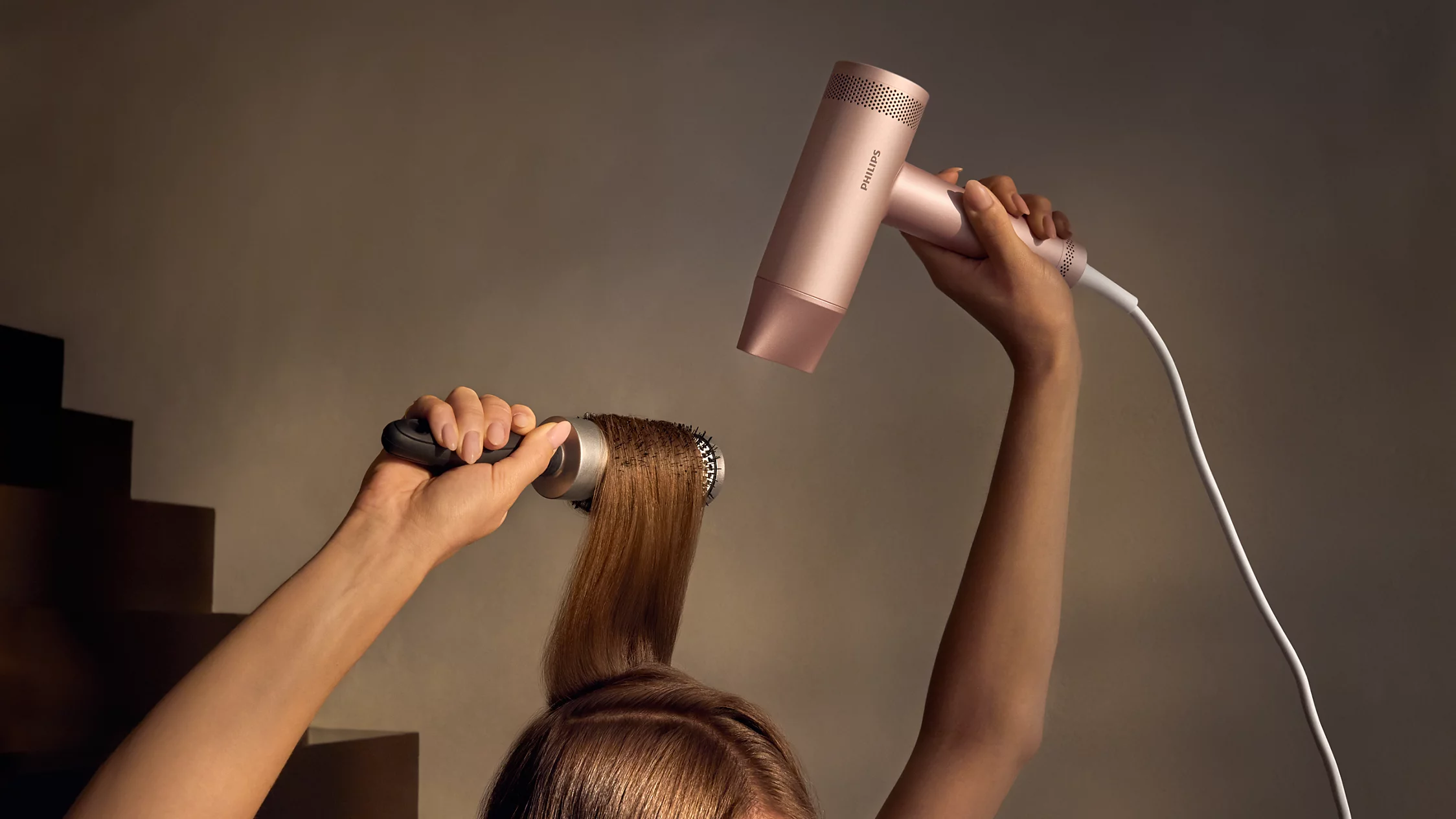
The air comes out of a narrow outlet, and with the 8 mm nozzle it gets even finer, so you can work section by section with a brush without disturbing the rest of your hair. It starts at full power with no delay, and its three speeds cover everything from diffusing curls to quick drying.
With seven heat settings and four preset modes, there are more combinations than on most dryers in this range, and a short press on the buttons adjusts heat and speed separately. Compared with high-end digital dryers, the only difference in drying speed is in its favour.
Hair care – Score: 8.9/10
The temperature sensor measures the air two hundred times a second and doesn’t let it exceed the chosen setting. We measured 79-81 °C on the high setting, 58-60 °C on the middle one, 50-51 °C in gentle mode and 43-44 °C on the lowest, the widest and coolest range of the dryers we’ve tested. Over two weeks of drying with warm air and a final cool shot, the scalp didn’t complain once.
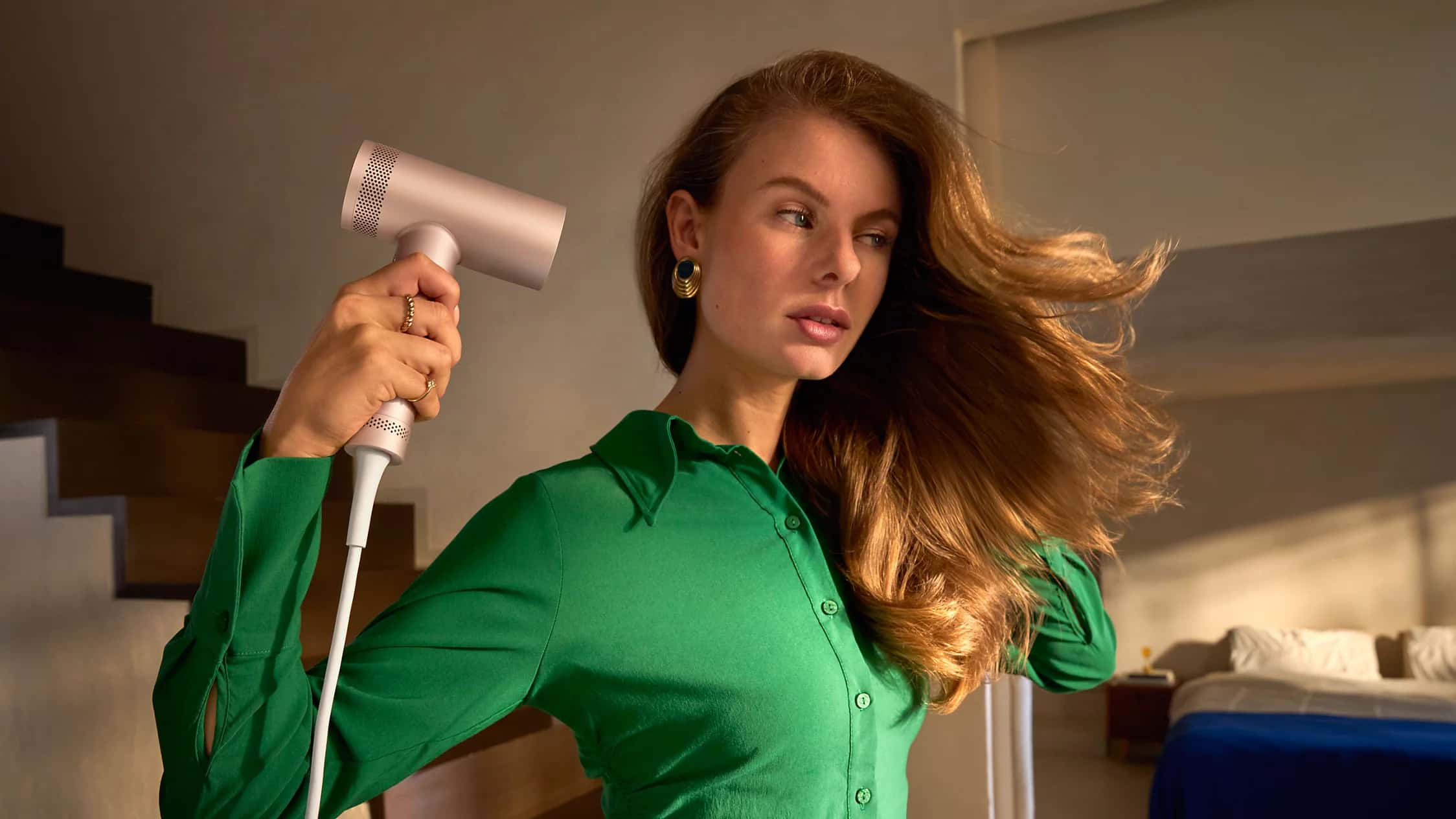
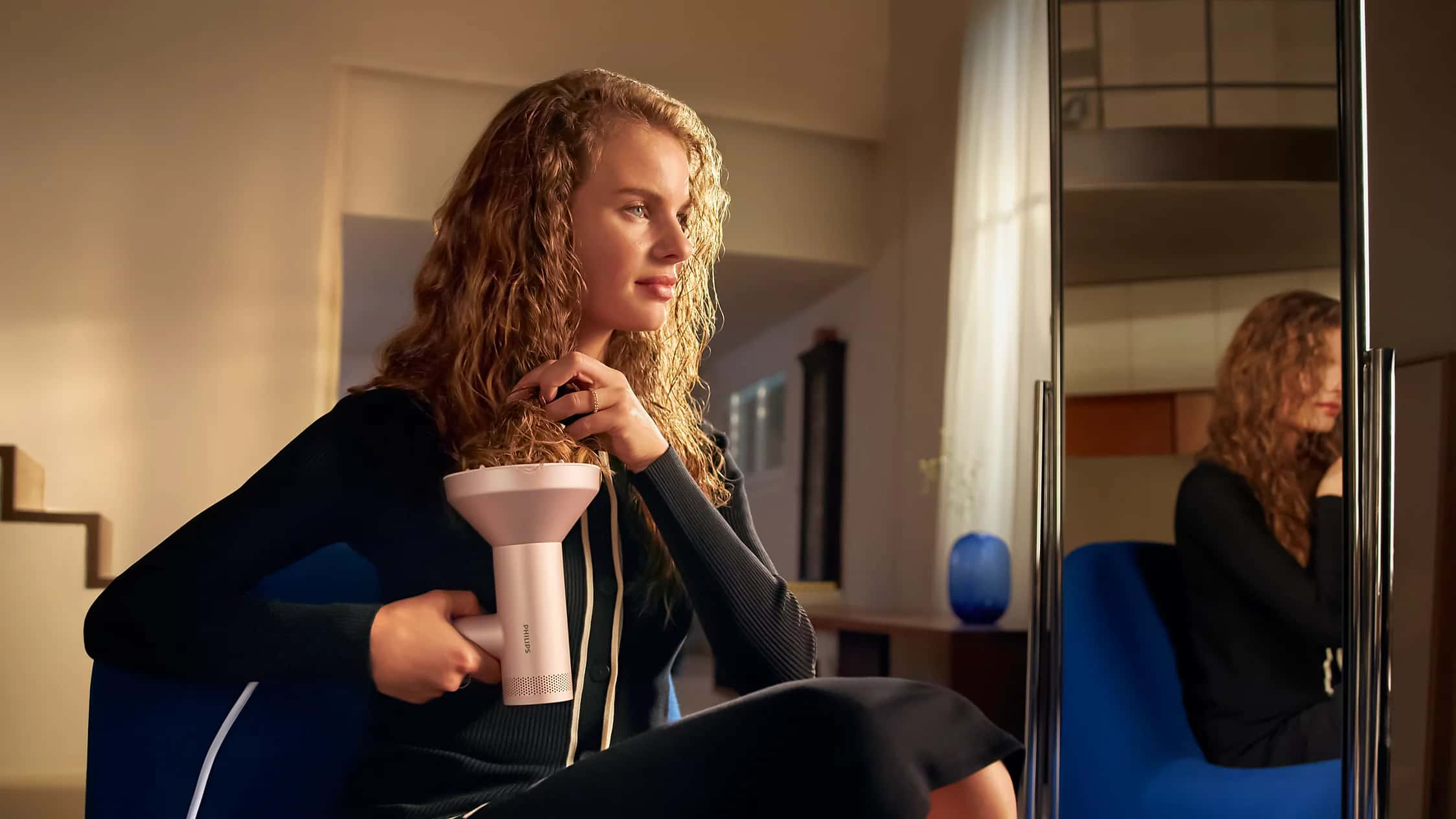
The ionic technology, which according to Philips releases negative and water ions, left the hair less frizzy than with our tester’s usual dryer, and there’s a mode that alternates hot and cold so heat doesn’t build up in one spot. The magnetic diffuser we used left natural curls defined and light, without drying them out.
What it lacks to round off this section is a distance sensor. Scalp protection depends on the mode or temperature you choose, not on how close you are, so if you get very close on the high setting the air still reaches 80 °C. Compared with dryers that have a proximity sensor, you’re the one in control here; compared with any other dryer without one, its range of low temperatures works in its favour.
Weight and noise – Score: 8.8/10
At 395 g on the scales without an attachment and 427 g with the nozzle, it’s the lightest dryer we’ve held with this much airflow, and it matches the figure Philips quotes. In ten minutes non-stop with the arm raised, the weight only started to tell at minute ten, and the motor in the handle keeps it well balanced.
On noise we measured 76-78 dB at one metre on maximum speed without an attachment and 78-80 dB with the nozzle, the lowest reading of the dryers we’ve put through the same method. It’s still a hair dryer and you can hear it, but it’s the least disruptive if you dry your hair early with people asleep nearby.
The 2 m cable is its weak spot. It reaches fine with the socket near the mirror, but if the bathroom socket is further away it’s tight, and it’s shorter than on most dryers in its range. The rear filter unscrews, and after two weeks there was little visible build-up, partly thanks to the eight-second auto-clean mode, which is worth running once a month.
Attachments and versions
The BHD837/10 we tested came with the 8 mm nozzle and the diffuser, both magnetic and with replacements available, like the filter grille. The UK BHD837/03 is also Rose Champagne and shares the same specifications, but according to its Amazon.co.uk listing the set includes only the dryer and the 8 mm styling nozzle, with no diffuser. If you dry natural curls with a diffuser, bear that in mind before you buy.
Pros
- 2 minutes 51 seconds to dry long, soaking-wet hair, the fastest time we’ve recorded, so you finish sooner than with any other dryer in this comparison.
- 395 g on the scales, the lightest we’ve tested, so your wrist copes with long brushing sessions without complaint.
- 76-78 dB at one metre, the quietest we’ve measured, which you’ll notice if you dry your hair with people asleep nearby.
- Seven heat settings from 43-44 °C to 79-81 °C measured, with a gentle mode at 50-51 °C, so you can choose just the right heat for your hair.
Cons
- No distance sensor, so scalp protection depends on the mode you choose, and on the high setting the air reaches 80 °C even up close.
- 2 m cable, shorter than its rivals’, which is tight if the bathroom socket is far from the mirror.
Our test
Test 1: Power and airflow – long, soaking-wet hair after a shower
We dried long hair straight out of the shower, towel-dried no more than usual, with the nozzle fitted and speed and heat on maximum. We timed it until roots and ends felt dry to the touch and repeated the test on three different days on the same hair, comparing it with the other dryers that have been through this same method.
The three runs came in at 2:48, 2:54 and 2:51. No other dryer we’ve measured went under three minutes, and the gap with conventional-motor dryers was more than a minute. The narrow nozzle let us work section by section without disturbing the rest. We can’t say how it behaves on very thick, dense hair, because that wasn’t the hair we tested on.
Test 2: Hair care – two weeks of warm air and a cool shot
We measured the air temperature with a thermometer two centimetres from the outlet after thirty seconds of running, on the lowest, middle and high settings and in gentle mode, three readings each. We then dried hair every day for two weeks on the middle heat with a final cool shot, using the nozzle on straight hair and the diffuser on natural-curl days.
The thermometer read 43-44 °C on the lowest setting, 58-60 °C on the middle, 79-81 °C on the high and 50-51 °C in gentle mode. The scalp was fine throughout, frizz at the end was lower than with our tester’s usual dryer and the diffuser left curls defined and light. What we can’t vouch for is the long-term effect on the hair fibre, because two weeks isn’t enough to judge that.
Test 3: Weight and noise – ten minutes with the arm raised
We placed the sound meter one metre away at ear height, with the dryer on maximum speed, and took three ten-second readings without an attachment and three with the nozzle. We weighed the dryer with and without the nozzle, then dried for ten minutes non-stop with the arm above shoulder height, noting the minute the weight became noticeable, whether the cable reached comfortably and what was in the filter after two weeks.
The sound meter read 76-78 dB without the nozzle and 78-80 dB with it, and the scales 395 g without an attachment and 427 g with the nozzle. The weight only made itself felt at minute ten, the 2 m cable reached fine with a nearby socket and there was little visible build-up in the filter. It’s the dryer that copes best with a long brushing session of all the ones we’ve tested; the only thing we can’t tell you is how it does with a socket far from the mirror, because that wasn’t our set-up.
If you’d like to know more about what to look for, take a look at our guide to the best hair dryers, where you’ll find the best models we’ve tested to help you choose the right one for you.
Contents
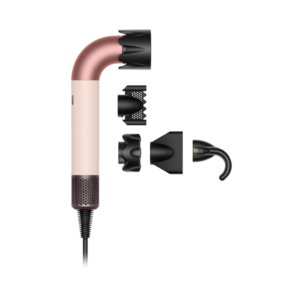
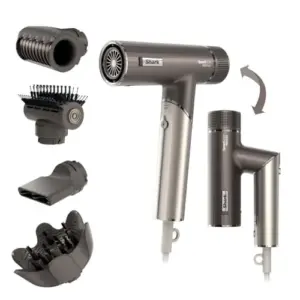
Other models we analysed

Real tests · No sponsorships
Marco Blasco
I'm Marco Blasco and I've been testing and comparing home appliances for more than five years. My ratings come from real tests, first-hand experience and objective criteria, explained transparently. Our tests are carried out in Spain. Through detailed guides and comparisons I've helped thousands of people choose with more confidence, and I can do that because I'm completely independent of the brands.