
Nilfisk Core 140 PowerControl Pressure Washer

Gallery
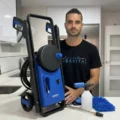
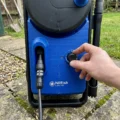
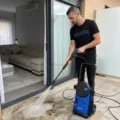
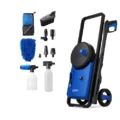
Deals
This page contains affiliate links: if you buy through them we may earn a commission, at no extra cost to you. Prices and availability may change. As an Amazon Associate, La Casa Sibarita earns from qualifying purchases.
Pros
-
Metal pump held a stable 105-110 bar in our test, enough to shift algae from concrete.
-
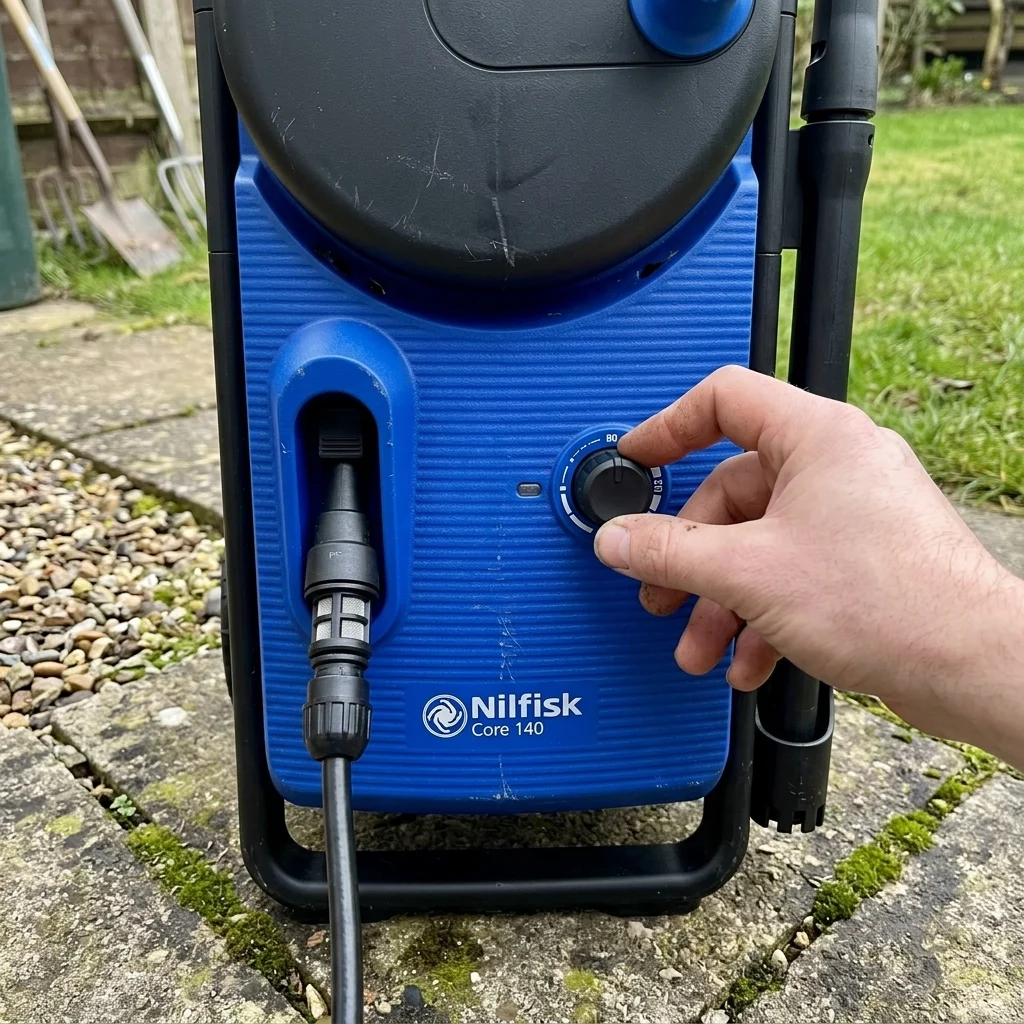
Adjustable pressure takes you from stone to the car without changing machine.
-
6 m hose with built-in reel and wheels: 9.5 m of reach from the tap.
-
Motor stops when you release the trigger, dropping to around 9 W in standby.
Cons
-
Loud, at 81 dB(A) at one metre while running and 84 on start-up.
-
Strong vibration at full flow; it can creep across smooth tiles.
Contents
Technical specifications
| Maximum pressure | 140 bar |
|---|---|
| Weight | 8.7 kg |
| Power | 1,760 W |
| Maximum flow rate | 370 L/h |
| Water temperature | Not specified |
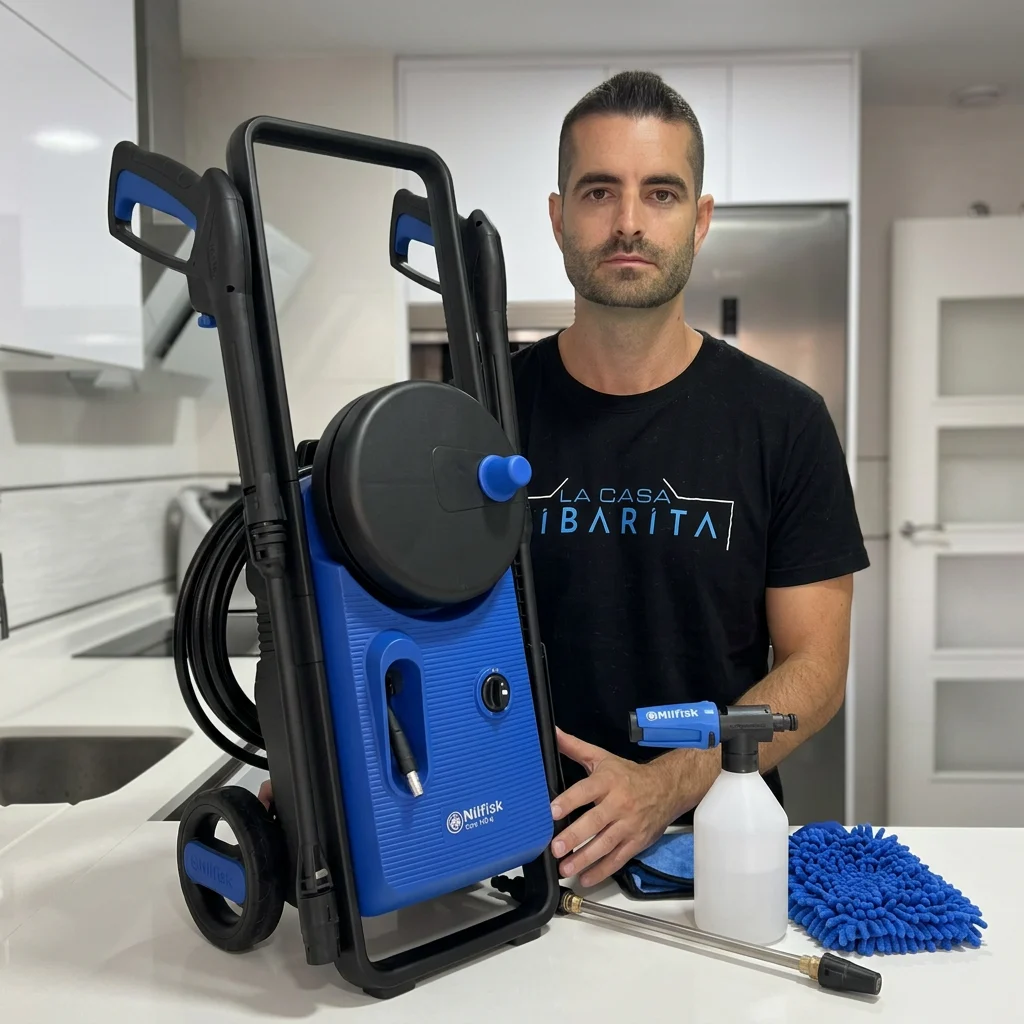
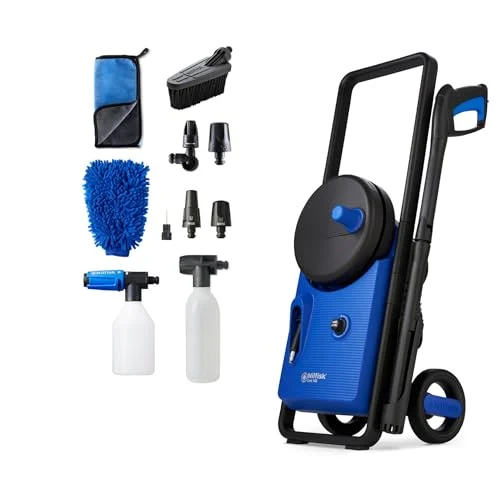
| Accessories | Concentrated jet nozzle, fan nozzle, 450 ml foam tank compatible with any detergent |
Description
Summary
If you’re forever battling green algae on the patio, ingrained grime on the paving or a car covered in mud, a mid-range pressure washer like the Nilfisk Core 140 PowerControl takes the hard work off your hands with sheer water power, without jumping to pricier, bulkier professional kit.
It suits you best if you have a patio, terrace, garden or a car to clean now and then, because it offers 140 bar maximum pressure and a 6 m hose with a built-in reel so you can wind it up without a tangle. It’s a very capable weekend tool, not a machine for heavy daily use.
What won us over is that you can adjust the pressure with the PowerControl regulator, so you turn it down for a painted wall or garden furniture and up for concrete. It also comes with a 450 ml foam container that takes any detergent, very handy for letting the soap work on the car before rinsing.
The motor also stops by itself when you release the trigger, which saves electricity and reduces wear during breaks. Between the concentrated jet and fan nozzles you’re covered from stuck-on dirt to delicate surfaces, without leaving marks.
The main drawback is noise and vibration: it’s loud and at full flow it can creep along smooth tiles on its own, so you’ll need to keep an eye on it. The 5 m cable is also short if the socket is far away.
We tested the Core 140-6 PowerControl EU in Spain, listed there as the Premium Car Wash pack. On Amazon.co.uk it’s sold as the standard Core 140 PowerControl (128471254), the same machine, and the UK listing includes a foam sprayer, gentle and rough nozzles and a nozzle cleaning needle.
Analysis and verdict
Pressure and flow – Score: 7.9/10
The catalogue figure is 140 bar maximum pressure, but in our tests the stable working pressure hovered around 105-110 bar, with short peaks of up to 135 bar when closing the gun. That’s normal for these machines, because the catalogue peak is only reached momentarily, not with a continuous jet.
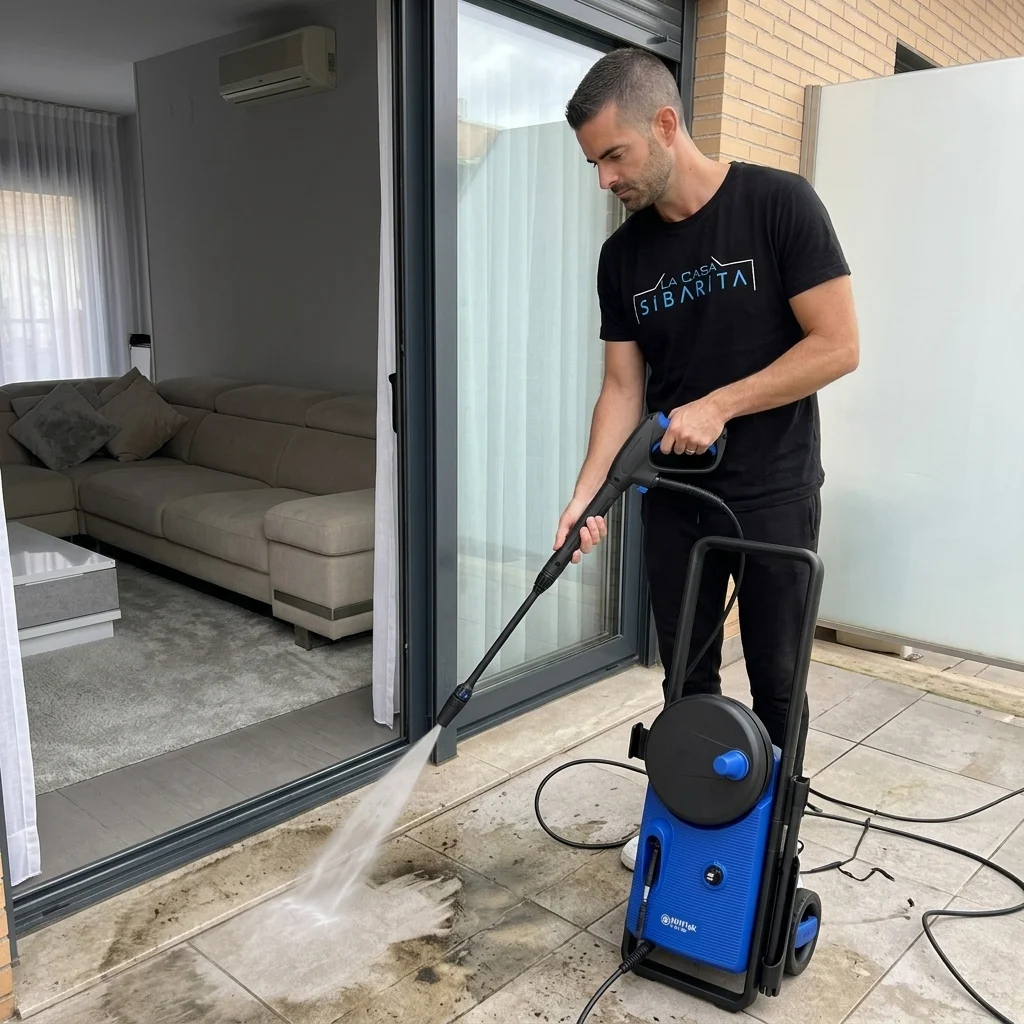
With that force and a flow of around 6.2 L/min (roughly 370 L/h), it removed algae from concrete without much effort. We noticed it most on joints and outdoor floors; for the car, garden furniture or bikes you’ve got plenty in hand by turning the power down.
Compared with basic pressure washers with plastic pumps, the metal pump works in its favour, coping better with long sessions and giving it a margin of durability. The flow, however, is average for the category: enough for demanding household jobs, but below pricier machines.
Accessories – Score: 7.4/10
Changing nozzles with the quick connection is easy once you get the knack, and between the concentrated jet and fan nozzles you’re covered from stuck-on dirt to delicate surfaces, without leaving marks. The weak point is the connector itself: the high-pressure hose is a very tight fit and it’s hard to push home for the first few uses until it gives a little.
The 450 ml foam container was what we got the most out of on the car, because it spreads the soap evenly and lets you leave it to work before rinsing. As it takes any detergent, you’re not tied to a specific product, unlike some closed systems. It’s a decent, practical set of accessories, without extras such as a rotating brush or telescopic lance that some rivals include. The UK pack lists the same essentials (foam sprayer and two nozzles), so this assessment applies to it as well.
Handling – Score: 7.2/10
The whole unit sits on wheels with a trolley-style handle, so you can move it around the patio without carrying it. Adding the 6 m hose to the lance, we reached 9.5 m from the tap without moving the base, enough to sweep an entire patio from one spot, and the built-in reel avoids the usual tangle when you put it away.
The fact that the motor stops by itself when you release the trigger is welcome on long jobs: in standby it drops to around 9 W, compared with the 1,760 W it drew with the lance open. Pressure adjustment is the other detail that makes it genuinely versatile, because you go from cleaning stone to washing a painted surface without changing machine.
After about 25 minutes of continuous use, the area around the motor head got noticeably warm, although not uncomfortable to touch, and on a cold start it gave off a slight smell of plastic and oil that faded within a couple of minutes. Nothing serious, but worth knowing.
Noise is its real weak point. We measured 81 dB(A) at one metre while working, with a sharp thump on start-up that rises to 84 dB(A) for half a second, so it’s not one to use first thing in the morning with neighbours nearby. At full flow it vibrates enough to ‘walk’ a few centimetres on its own across smooth tiles, and the 5 m cable is short if the socket is far away.
Pros
- Rated 140 bar pressure and a metal pump that, in practice, shift algae and stuck-on dirt from concrete without a fight.
- Adjustable pressure control, so you can go from stone to the car or a painted surface without changing machine.
- 6 m hose with built-in reel and wheels: we reached 9.5 m from the tap and it winds up without tangles.
- Automatic motor stop when you release the trigger, cutting power draw to around 9 W in standby and extending motor life.
- 450 ml foam container compatible with any detergent, ideal for washing the car and letting the soap work.
Cons
- High noise (81 dB(A) at 1 m, 84 on start-up), uncomfortable early in the morning or with neighbours close by.
- Marked vibration: at full flow it moves on its own across smooth tiles and needs watching.
- Short 5 m cable with a small cable wrap, so you’ll need an extension lead if the socket is far away.
- The high-pressure hose connector is a very tight fit and hard to push home for the first few uses.
Our test
Test 1: Pressure and flow – algae on the patio and dried mud on the car
We ran this test making the most of something not every pressure washer we’ve tested allows without changing lance: the pressure regulator on the Core 140. We marked a 1 m² strip on the patio, with algae stuck to the concrete, and another on the car with dried mud, and passed the standard lance at 30 cm counting how many passes it took to leave the surface clean, always comparing with the same area tackled with a garden hose alone.
On the patio the difference from the hose alone was dramatic: where mains water barely shifted the algae, here a few passes were enough to lift it completely. We put that down to the metal pump (rather than the plastic ones on cheaper models) holding a stable working pressure of 105-110 bar, with peaks of up to 135 bar when closing the gun. On the car, with the power turned down, the dried mud came away without scrubbing and without lifting paint. What we can’t vouch for is how long it takes on much larger concrete areas or older dirt than our test strip, because the 6.2 L/min flow (around 370 L/h in the catalogue) is mid-range and on big surfaces you’ll find yourself working section by section.
Test 2: Accessories – nozzles, foam container and what’s missing
As with any pressure washer, we tried each nozzle and accessory on the surface it’s designed for, noting which ones are genuinely useful and which are just a promise on the box. The set is short here: just two nozzles (concentrated jet and fan) and a 450 ml foam container, with no brush or telescopic lance. So we tried both nozzles on stone and on a painted garden chair, and the container washing the car with a generic detergent rather than a closed branded one.
The concentrated jet was the one we used most for joints and stuck-on dirt, and the fan nozzle did well on the painted furniture without leaving marks. Because the 450 ml container takes any detergent, it spreads foam evenly over the bodywork and gives it time to work before rinsing, something you don’t get with the brand-locked systems on other machines. What counted against it was the high-pressure hose connector: it’s a very tight fit and hard to push home for the first few uses. We can’t vouch for how it performs on jobs that call for a rotating brush, because this set doesn’t include one and you’d have to buy it separately.
Test 3: Handling – assembly, connection and packing away on the patio
As with every pressure washer that passes through our hands, we assembled the Core 140 straight from the box, connected the high-pressure hose to the trolley and checked whether the unit rolls freely, whether the cable and hose reach right across a house front without moving the base, and whether it holds firm when the lance snags on a plant pot. At the end, we wound the hose onto the built-in reel, a detail not every model at this level includes.
Adding the 6 m hose to the lance we reached 9.5 m from the tap without moving the base, enough for a whole patio from one spot, although the 5 m cable fell short as soon as the socket wasn’t close and we had to use an extension lead. The motor stops by itself when you release the trigger, dropping power draw to around 9 W compared with 1,760 W while running, which is welcome on long jobs. After about 25 minutes of continuous use, though, the motor head got noticeably warm, and on a cold start it gave off a slight plastic smell that went within a couple of minutes. The point that impressed us least was the vibration: at full flow, on smooth tiles, the trolley ‘walked’ a few centimetres by itself, so you have to keep an eye on it, and the noise (81 dB(A) while running, with a peak of 84 on start-up) rules out using it first thing if there are neighbours nearby. We can’t vouch for the trolley going up or down stairs easily, because we didn’t force that movement out of caution with the hose connection.
If you want to know more about what to look for, take a look at our pressure washer buying guide, where you’ll find the best models we’ve tested and advice on choosing the right one for you.
Contents
Other models we analysed

Real tests · No sponsorships
Marco Blasco
I'm Marco Blasco and I've been testing and comparing home appliances for more than five years. My ratings come from real tests, first-hand experience and objective criteria, explained transparently. Our tests are carried out in Spain. Through detailed guides and comparisons I've helped thousands of people choose with more confidence, and I can do that because I'm completely independent of the brands.